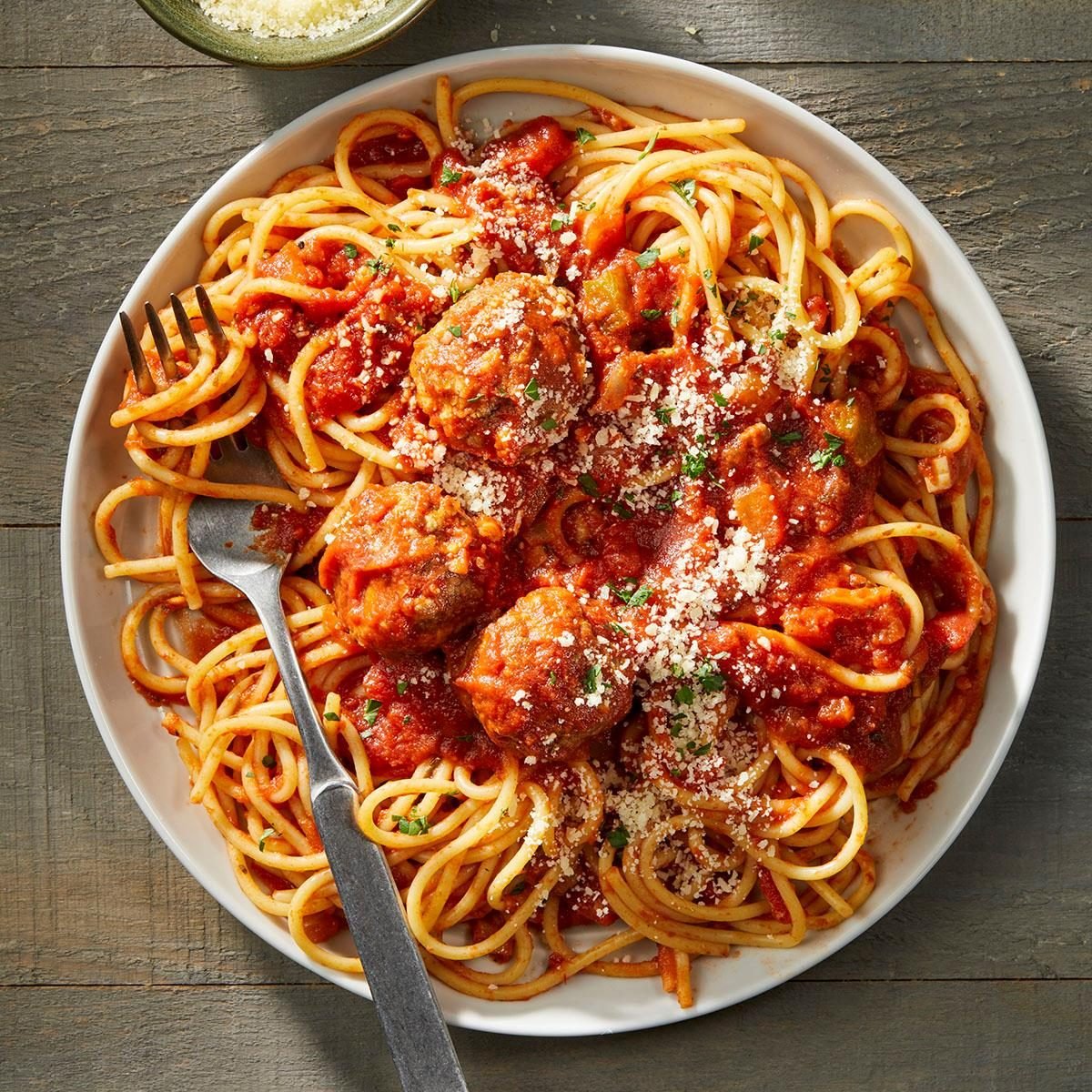
The Ultimate Hands-Off Comfort: Why Slow Cooker Spaghetti & Meatballs is a Weeknight Miracle
In the bustling rhythm of modern life, the quest for a truly satisfying, yet effortlessly simple, dinner often feels like an impossible dream. Enter the slow cooker, a culinary hero that transforms complex dishes into delightful, hands-off experiences. And when it comes to classic comfort food, few meals rival the universal appeal of spaghetti and meatballs. But what if you could combine the rich, slow-simmered flavors of a traditional Italian-American feast with the convenience of a single appliance? This is where the magic of
slow cooker meatballs with spaghetti truly shines, offering a tender, deeply flavorful meal that practically makes itself.
Imagine returning home to the inviting aroma of savory meatballs simmering in a rich tomato sauce, knowing that dinner is not just ready, but has been patiently perfecting itself all day. This isn't just about saving time; it's about unlocking a depth of flavor and an unparalleled tenderness that only low and slow cooking can achieve. From busy weeknights to relaxed family gatherings, this method promises a delicious, hearty meal with minimal fuss and, perhaps best of all, only one pot to clean. Forget the separate boiling of pasta or the constant vigilance over a stovetop sauce; our guide will reveal the secrets to achieving perfectly tender meatballs and al dente spaghetti, all cooked harmoniously in your trusty slow cooker.
Crafting Tender Meatballs: The Foundation of Flavor
The heart of any great spaghetti and meatballs dish lies, undoubtedly, in its meatballs. Achieving that melt-in-your-mouth tenderness in your
slow cooker meatballs with spaghetti is simpler than you might think, starting right from the ingredients and mixing process.
Selecting Your Meat Base
While a classic recipe often calls for
1 pound of ground beef, the true connoisseur might opt for a blend. A mix of ground beef and pork (or even veal) offers a richer, more complex flavor profile and often results in moister meatballs. The pork fat contributes to the tenderness, while the beef provides that robust, familiar taste. For those seeking lighter alternatives, ground turkey or chicken can be used, though they might require a bit more fat (like a tablespoon of olive oil) to prevent dryness. Always aim for at least 80/20 lean-to-fat ratio in your ground meat for optimal flavor and moisture.
The Binder & Flavor Boosters
The right binders and aromatics are crucial for both texture and taste.
- Breadcrumbs: Half a cup of plain breadcrumbs acts as a binder, helping the meatballs hold their shape while also keeping them moist by absorbing juices. For an even more tender texture, Panko breadcrumbs can be a fantastic choice, absorbing moisture without becoming overly dense.
- Parmesan Cheese: A quarter cup of grated Parmesan cheese adds a salty, umami depth that elevates the entire dish.
- Egg: One large egg is essential for binding all the ingredients together, preventing your meatballs from falling apart during the long simmer.
- Garlic & Italian Seasoning: Two cloves of minced garlic and a teaspoon of Italian seasoning are non-negotiables for that authentic, savory Italian flavor. These aromatic powerhouses infuse the meatballs with incredible depth.
- Salt & Pepper: A teaspoon of salt and half a teaspoon of black pepper are fundamental for seasoning the meat thoroughly.
- Fresh Parsley: A quarter cup of chopped fresh parsley (optional, but highly recommended) adds a burst of freshness and a touch of color. Consider other flavor enhancers like a pinch of red pepper flakes for a subtle kick, or a tablespoon of finely minced onion.
Mixing and Shaping for Perfection
The secret to tender meatballs often comes down to *how* you mix them. Overmixing will lead to tough, dense meatballs. Instead, combine all ingredients gently in a bowl until *just combined*. Use your hands, but work quickly and lightly. Then, roll the mixture into small, uniform meatballs, about 1 to 1½ inches in diameter. Consistency in size ensures even cooking.
While the beauty of a slow cooker is its hands-off nature, some prefer to brown fresh meatballs slightly in a pan before adding them to the cooker. This step, as highlighted by Sip Bite Go, can enhance flavor through the Maillard reaction and help the meatballs hold their shape, although it's entirely optional for a truly one-pot experience. If you're using frozen meatballs, they can go directly into the slow cooker without thawing, making this meal even more convenient.
Assembling Your Slow Cooker Masterpiece: The Sauce & Simmer
With your tender meatballs prepared, the next step is to layer them with a rich, flavorful sauce and let the slow cooker work its magic.
Layering for Success
Start by placing your raw or browned meatballs evenly in the bottom of your slow cooker. This direct contact with the heat will help them cook through effectively. Next, pour over a combination of
one (24-ounce) jar marinara sauce and
one (14.5-ounce) can crushed or diced tomatoes. This blend creates a sauce that is both robust and has good body. Stir gently to ensure the meatballs are mostly submerged and coated. For those who find their tomato sauces a bit too acidic, a teaspoon of sugar can be added at this stage to balance the flavors beautifully. For an even deeper flavor profile, consider sautéing some diced onions and garlic (beyond what's in the meatballs) in olive oil before adding them to the sauce – this extra step can make a significant difference.
The Slow Cooker's Role: Time & Temperature
The true artistry of
slow cooker meatballs with spaghetti lies in its patient simmer. Cover your slow cooker and set it to
Low for 5–6 hours or High for 2½–3 hours. The "Low" setting is often preferred as it allows for a more gradual cooking process, tenderizing the meatballs perfectly and preventing the sauce from drying out or scorching.
A crucial tip:
avoid lifting the lid too often! Each time you peek, heat escapes, adding up to 20-30 minutes to your total cooking time. Trust your slow cooker to do its job. The prolonged, gentle heat allows the flavors from the meatballs and sauce to meld and deepen, creating a complex and satisfying taste that stovetop methods often struggle to achieve in the same timeframe. Different slow cooker models can vary in heat, so knowing your appliance is key. If your slow cooker tends to run hot, you might consider slightly reducing the cooking time or adding a little extra liquid towards the end.
The Grand Finale: Perfectly Cooked Spaghetti & Finishing Touches
The final act in our slow cooker drama is the addition of the spaghetti, transforming a delicious meatball sauce into a complete, satisfying meal.
When to Add the Pasta
Timing is everything when it comes to integrating the pasta directly into the slow cooker. Add your
12 ounces of uncooked spaghetti approximately
30 minutes before serving. This late addition is crucial; adding it too early will result in mushy, overcooked pasta that disintegrates into the sauce. Break the spaghetti noodles in half to make them easier to manage and submerge in the slow cooker.
The Liquid Factor
Alongside the spaghetti, you’ll need to add
3 cups of water or low-sodium beef broth. This liquid is essential for cooking the pasta to perfection and ensuring your sauce maintains a desirable consistency. Stir the spaghetti and liquid into the sauce, making sure the noodles are as submerged as possible. This ensures even cooking. Beef broth will add an extra layer of savory depth to the final dish, while water keeps the focus squarely on the tomato and meatball flavors.
Cooking the Spaghetti to Al Dente
Cover your slow cooker again and cook on
High for another 25–30 minutes, stirring once or twice during this period to prevent the noodles from sticking together or to the bottom of the pot. Keep a close eye on the pasta during the last 10 minutes, testing for doneness. You're aiming for tender yet firm – perfectly al dente. If the sauce seems too thick at this stage, a little extra hot water or broth can be stirred in to reach your preferred consistency.
While cooking pasta directly in the slow cooker is incredibly convenient and part of the one-pot appeal, some purists prefer to cook their spaghetti separately on the stovetop to guarantee an exact al dente texture. If you choose this route, simply cook the pasta according to package directions and serve the slow-cooked meatballs and sauce over it. This flexibility allows you to tailor the meal to your preference.
Serving Suggestions & Garnish
Once your
slow cooker meatballs with spaghetti are ready, it's time to serve! Ladle generous portions into bowls, topping with plenty of freshly grated Parmesan cheese and a scattering of fresh basil leaves. The fresh basil adds a vibrant, aromatic counterpoint to the rich sauce. For a complete meal, consider pairing it with a simple green salad dressed with vinaigrette and some crusty garlic bread for soaking up every last drop of that delicious sauce. A drizzle of high-quality extra virgin olive oil over each serving can also enhance the flavors beautifully.
This effortless one-pot meal is a testament to the power of slow cooking. For more inspiration on simplifying your dinner routine, check out our
Effortless One-Pot Slow Cooker Spaghetti & Meatballs Recipe and discover more ways to make
Busy Weeknight Slow Cooker Spaghetti & Meatballs Made Easy.
Conclusion
The secret to truly tender and flavorful
slow cooker meatballs with spaghetti isn't just about the ingredients; it's about embracing the patient, hands-off nature of the slow cooker itself. By gently combining quality meats and aromatic seasonings, allowing the sauce to slowly meld with the meatballs, and perfectly timing the addition of the pasta, you can achieve a dish that tastes like it simmered all day on a Tuscan stovetop – without all the fuss. This ultimate comfort food solution delivers on convenience, taste, and tenderness, proving that even on the busiest days, an incredibly delicious homemade meal is well within reach. So go ahead, set your slow cooker, and let it transform your dinner dreams into a delightful reality.